
Garage Door Opener Replacement: Common Mistakes
- COMMERCIAL GARAGE DOOR REPAIR
- GARAGE DOOR OPENER INSTALLATION
- GARAGE DOOR SPRING REPAIR
- SAME-DAY GARAGE DOOR REPAIR
- CUSTOM GARAGE DOOR
- GARAGE DOOR OPENER REPAIR
- GARAGE DOOR TRACK REPAIR
- GARAGE DOOR CABLE REPAIR
- GARAGE DOOR PANEL REPAIR
- LOCAL GARAGE DOOR REPAIR
- GARAGE DOOR REPLACEMENT
- NOISY GARAGE DOOR FIX
- GATE REPAIR
- GARAGE DOOR INSTALLATION
- GARAGE DOOR SECTION REPLACEMENT
- OVERHEAD GARAGE DOOR REPAIR
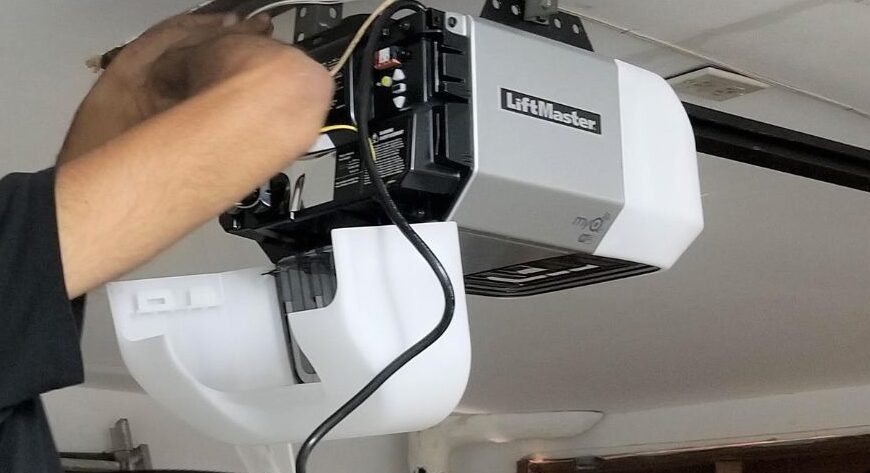
Common Mistakes to Avoid During Garage Door Opener Replacement
Upgrading your garage door opener can bring modern convenience and security to your home, from quieter operation to smart-home connectivity. However, what seems like a straightforward weekend project can quickly turn into a frustrating and even dangerous task if you are not careful. At Whitehall Garage Door Repair, we often see well-intentioned DIY projects go wrong, leading to bigger problems than the original one. A successful garage door opener replacement requires careful planning and attention to detail. By understanding the common pitfalls before you begin, you can ensure a smooth installation that functions safely and reliably for years to come.
Choosing the Wrong Opener for Your Door
One of the most frequent errors occurs before you even open the box: selecting an opener that is incompatible with your garage door. Homeowners often shop based on price or fancy features without considering the fundamental requirements of their specific door system. This oversight can lead to poor performance, premature wear, and a frustrating user experience.
Underestimating Power Requirements
Not all garage doors are created equal. A single-car aluminum door weighs significantly less than a solid wood or insulated double-car door. Openers are rated by horsepower (HP), and choosing an underpowered model is a critical mistake. A 1/2 HP motor might struggle to lift a heavy, solid wood door, leading to strained gears and a burned-out motor in a short time. As a rule of thumb, standard metal doors work well with 1/2 HP openers, while heavier wood, composite, or oversized doors require a 3/4 HP or even a 1 HP model. You must match the motor’s power to your door’s weight to ensure smooth, efficient operation and longevity for your new opener. An underpowered motor will always struggle, while a properly sized one works effortlessly.
Ignoring Drive Type and Features
Beyond horsepower, the drive mechanism greatly impacts noise and maintenance. Chain drives are durable and affordable but are also the noisiest option, which can be an issue if a bedroom is located above the garage. Belt drives, on the other hand, offer whisper-quiet operation but come at a higher price point. Screw drives fall somewhere in between. Another mistake is overlooking modern safety and convenience features. Today’s openers offer rolling code technology to prevent burglary, battery backups for power outages, and Wi-Fi connectivity for smartphone control. Failing to consider these options during your garage door opener replacement means missing out on significant upgrades in security and usability. Assess your needs and household environment before deciding which model is the right fit for you.